The Twin Cities housing market has been displaying some unexpected and contradictory patterns in recent months. While permit numbers have declined, certain segments —particularly the multifamily sector — are witnessing growth and innovation.
A Slowdown in Permits
Recent data from the Keystone Report indicates a decrease in overall housing permits in Minnesota’s 13-county metro area. This trend is attributed to several factors including rising interest rates, economic uncertainty, and material shortages.
The Multifamily Market: A Different Story
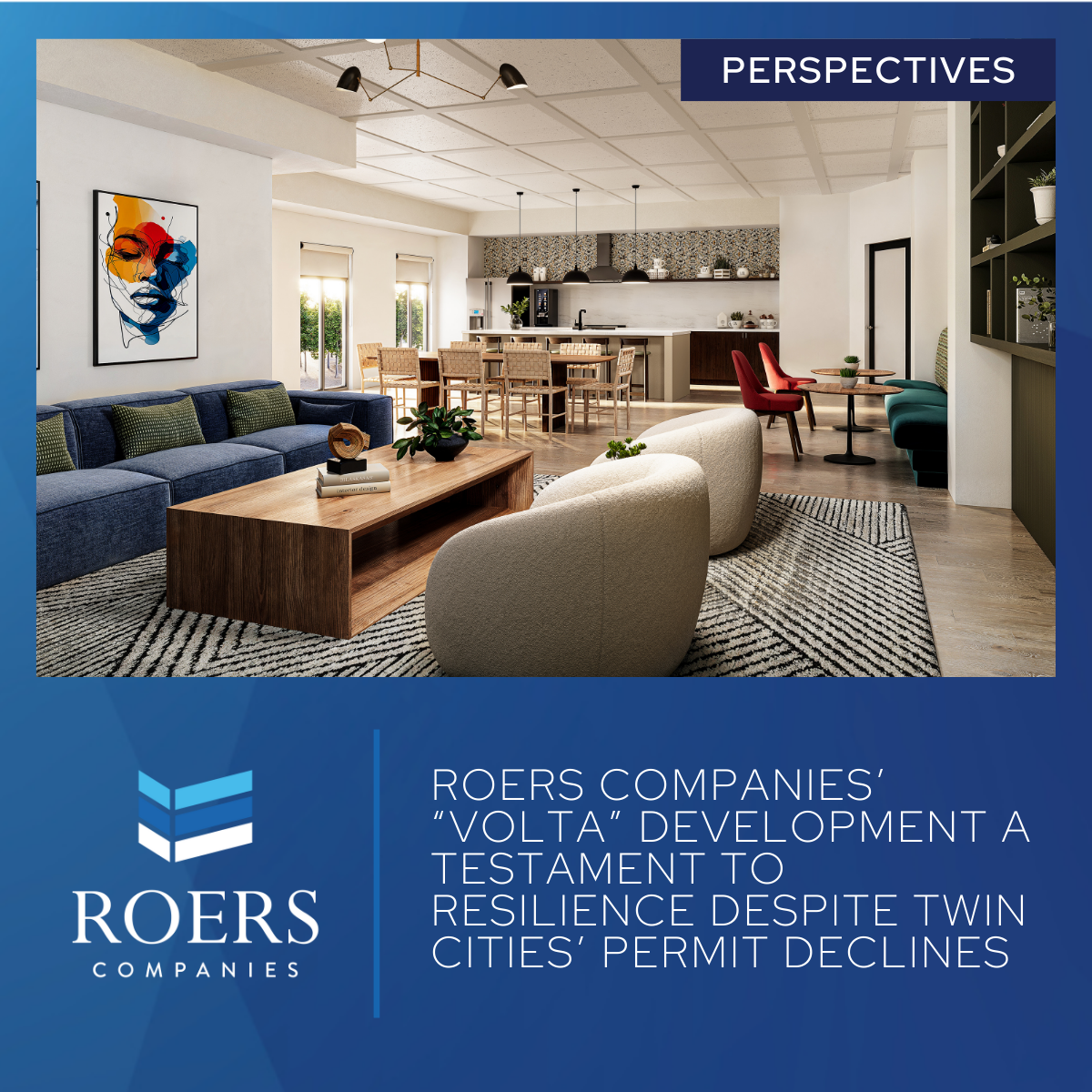
Despite the broader slowdown, the multifamily market — particularly the affordable housing segment — is showing continued demand. Roers Companies is proud to be leading the charge with projects like Volta, a 172-unit affordable apartment building in Burnsville, Minnesota projected to open in the spring of 2026.
This development, which involves the demolition of two office buildings to create a 4.47-acre site, is a testament to the growing demand for affordable housing in the Twin Cities. It highlights a shift in the market, with developers focusing on projects that cater to a specific demographic.
What Lies Ahead?
The Twin Cities housing market is currently undergoing a period of transition. While the short-term outlook may present challenges, the long-term demand for housing remains strong. Minnesota faces a significant housing shortage, with an estimated gap of 106,000 units. This statistic underscores the critical need for diverse and well-designed housing options, particularly multifamily developments. Driven by strong demand, shifting demographics, and a focus on innovative and sustainable development, the multifamily housing sector is poised for continued growth in the Twin Cities.
Roers Cos. is committed to navigating these challenges and capitalizing on the opportunities within this evolving market. Despite the current slowdown in the overall construction market, we remain confident in our ability to continue building. Our focus on multifamily housing — particularly affordable housing — combined with our strong financial position and experienced and vertically integrated team, enables us to effectively address challenges such as rising costs and supply chain disruptions. By strategically selecting project sites, optimizing designs for cost-effectiveness, and fostering strong relationships with suppliers, we can maintain a consistent development pipeline and continue to deliver high-quality, sustainable projects that meet the evolving needs of the Twin Cities market.
Sources: REjournal, Keystone Report, Finance and Commerce
Accurate as of January 8, 2025